From a Cameroonian and Pan-African lens, this development in Zimbabwe is not new; it is painfully familiar.
1. A recycled African power script
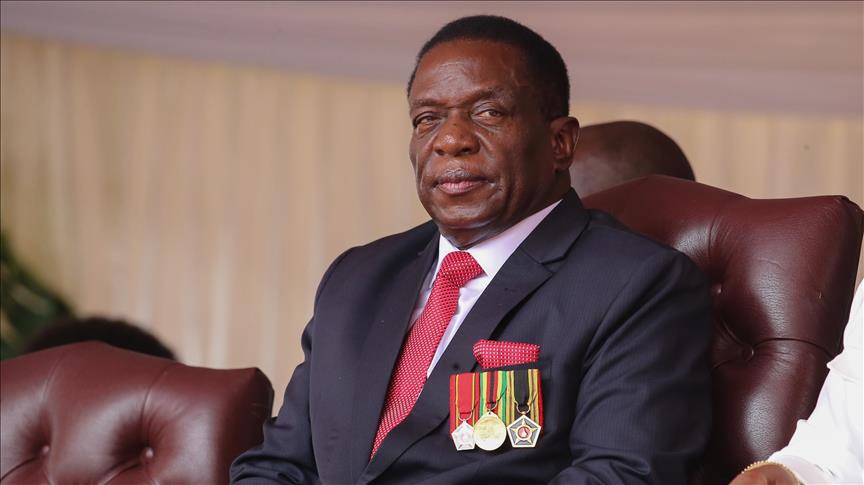
What we are seeing with Emmerson Mnangagwa is a classic post-liberation playbook:
- Change the rules, not the leader
- Redefine democracy to suit incumbency
- Sell permanence as “stability”
Replacing direct presidential elections with parliamentary selection in a country where ZANU PF dominates parliament is not reform — it is democracy by appointment.
As Cameroonians, we understand this tactic too well: when elections become inconvenient, constitutions suddenly become “flexible.”
2. Term extension disguised as development
The justification of “policy continuity” and “Agenda 2030” mirrors a dangerous Pan-African trend:
African leaders framing personal longevity as national necessity.
Africa does not lack long-term plans.
Africa lacks leaders willing to leave so institutions can grow.
If development truly depended on one man staying till 2030, then the problem is not time — it is weak institutions.
3. The Mugabe lesson ignored
Zimbabwe already paid a heavy price under Robert Mugabe.
The 2013 Constitution, born from a referendum, was meant to end the era of life presidencies.
Undoing that safeguard to benefit a sitting president directly contradicts constitutionalism and opens the door to:
- legal instability
- political unrest
- legitimacy crises
Africa cannot keep repeating the same mistake and expect a different outcome.
4. Regional silence is part of the problem
Civil society is right to threaten escalation to regional bodies, but Pan-Africans must ask:
- Will SADC speak?
- Will the AU act?
- Or will “non-interference” once again protect incumbents over citizens?
When African leaders normalize constitutional manipulation in one country, they export the idea to others.
5. The Pan-African contradiction
Pan-Africanism is about African dignity, self-rule, and people-centered power.
What is happening in Zimbabwe represents elite-centered Pan-Africanism, where liberation parties confuse historical legitimacy with eternal entitlement.
True Pan-African leadership:
- builds systems, not thrones
- respects term limits
- trusts the people, not parliamentary arithmetic
Bottom line
As a Cameroonian and Pan-African, this move is not about Zimbabwe alone.
It is about whether Africa chooses institutional maturity or continues the cycle of constitutional gymnastics.
Africa will not rise by extending presidencies.
Africa will rise by ending the fear of leadership succession.
 Africa Must Change | African Youth, Politics & Social Change
Leave a comment